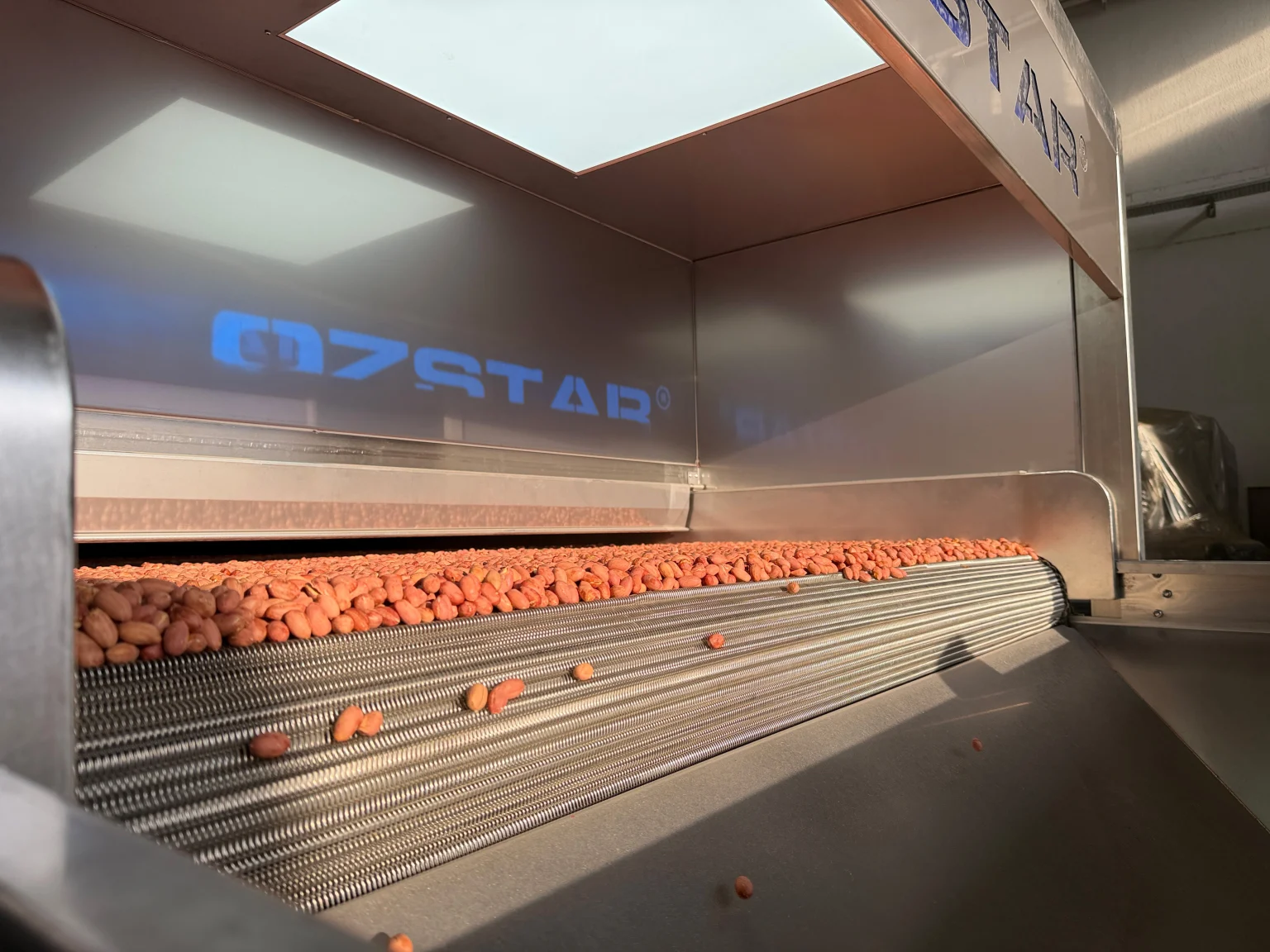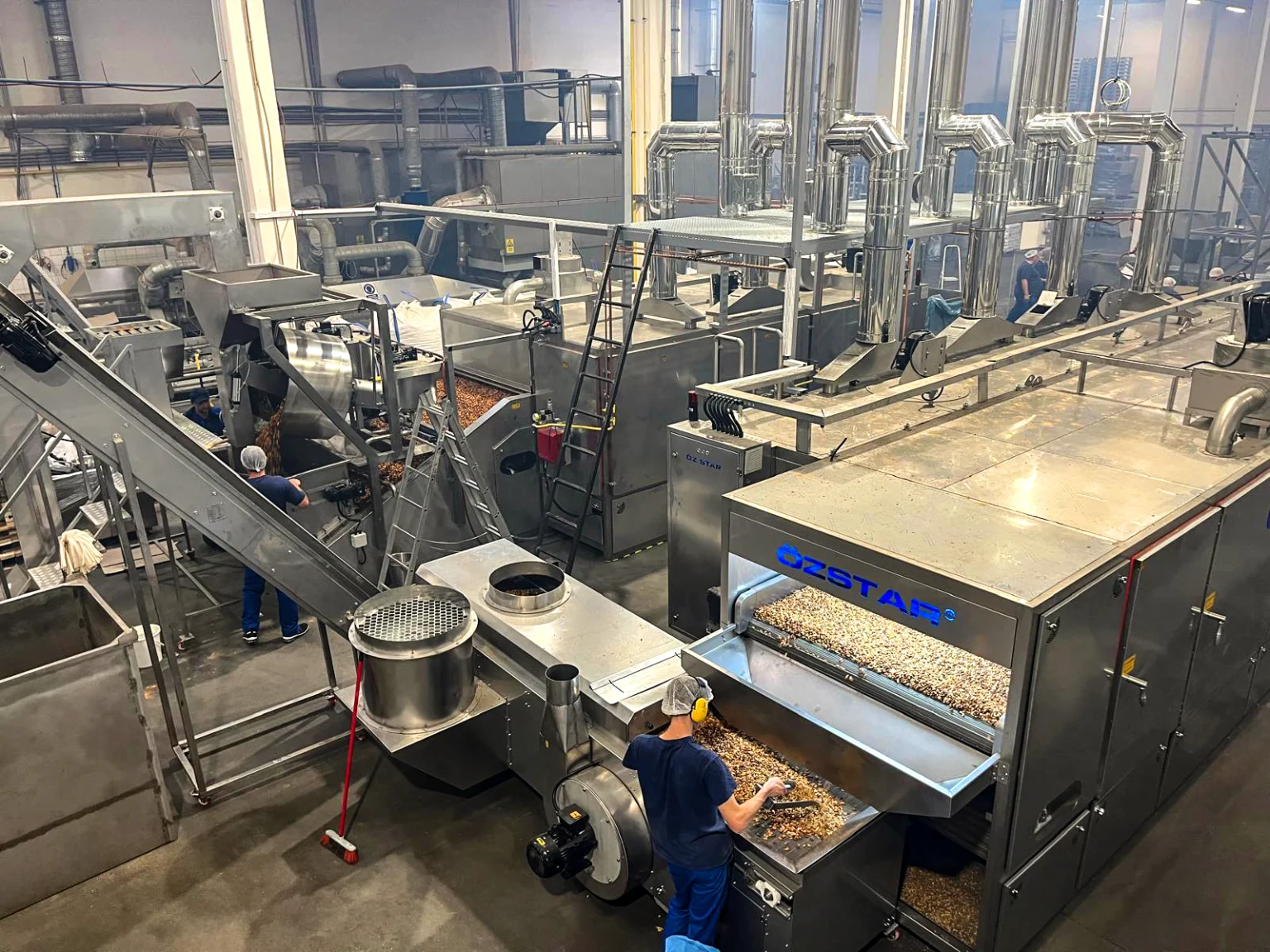


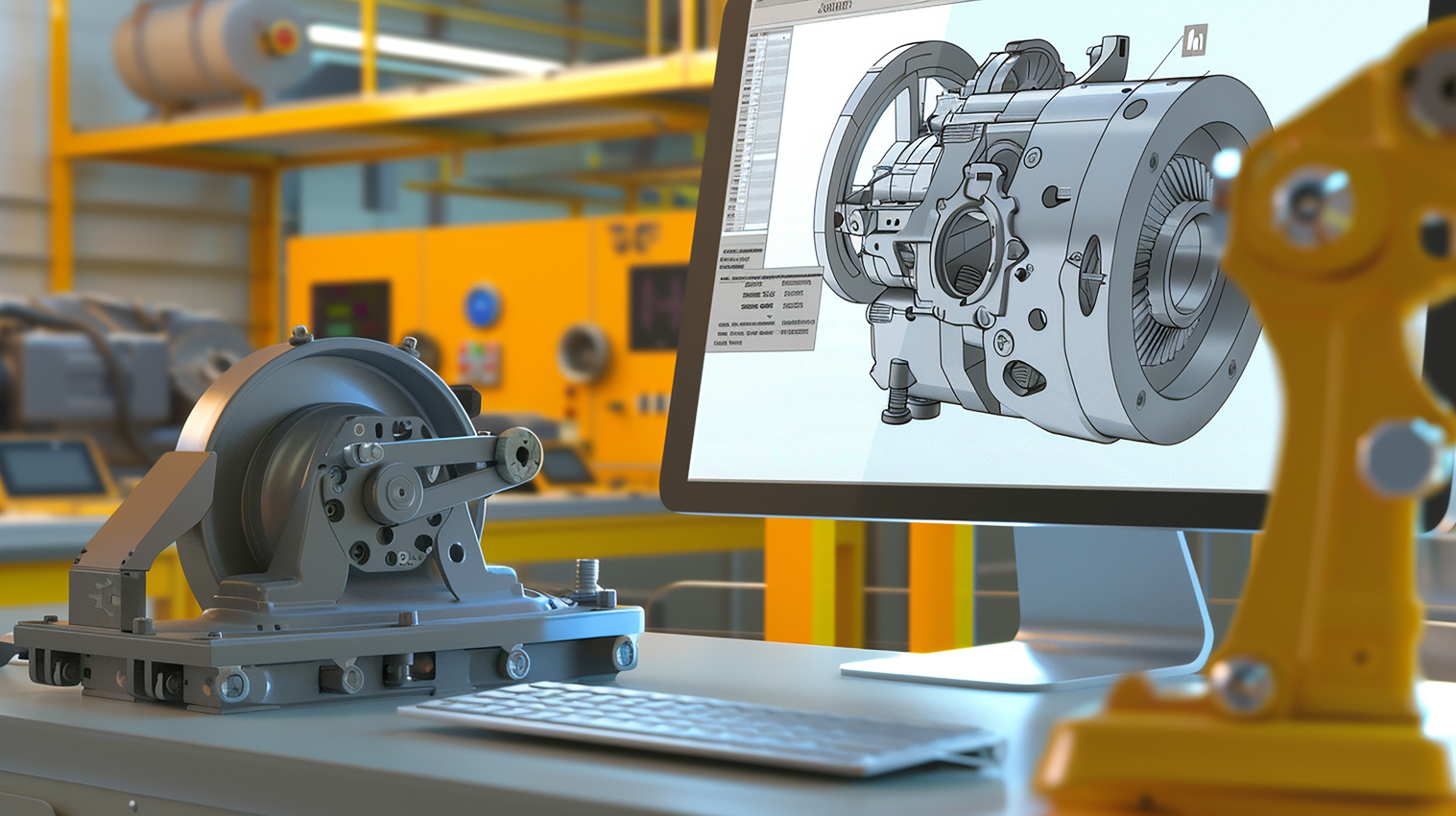
Custom food processing machinery equipments are adapted to a manufacturer’s product, production target, processing method, and installation requirements. Customisation can involve an individual machine, its feeding and discharge arrangements, or the configuration of a complete production line.
For food manufacturers, the purpose is practical: equipment should fit the process it needs to perform and the facility where it will operate.
Özstar Makina develops customised roasting and processing solutions alongside its machinery range. Its engineering approach connects equipment selection with the requirements of the customer’s production operation.
Planning a new production line?
Our engineering team helps you choose the right machinery for your product and capacity.
Engineering Starts with the Product
A machine specification begins with understanding the material being processed and the result the manufacturer wants to achieve.
Nuts, seeds, coffee beans, and coated snacks have different processing and handling requirements. Even within one product category, differences in size, moisture, ingredients, or initial condition can affect equipment selection and operating settings.
A useful engineering discussion therefore starts with questions such as:
- What product will enter the machine, and in what condition?
- What colour, texture, moisture level, or consistency is required?
- Will the equipment process one product or several varieties?
- Does the product require gentle handling or a particular transfer method?
- What preparation and processing stages are needed?
These answers help turn a general equipment enquiry into a defined production requirement.
Matching Capacity to the Actual Process
Required capacity is an essential starting point, but an hourly output figure needs context.
A manufacturer should specify whether the target refers to raw-material input or finished-product output. Operating hours, processing time, product changes, and cleaning intervals also affect the production capacity the business needs.
For complete lines, each stage must be considered together. Increasing roasting or frying capacity will deliver limited benefit if feeding, cooling, or downstream handling cannot accommodate the additional flow.
Customised machinery planning addresses these relationships so that equipment selection supports a realistic production target.
Adapting Machinery to the Factory Layout
Factory conditions can strongly influence the final equipment arrangement. A machine must fit the available installation area while allowing practical access for operation, cleaning, and maintenance.
Layout planning should consider:
- Available floor space and ceiling height.
- Doorways and access routes for installation.
- Feeding and discharge positions.
- Connections to existing machinery.
- Electrical supply, heating sources, and extraction requirements.
- Routes used by operators and materials.
Depending on the project, customisation may involve machine positioning, conveyor routes, transfer heights, or the arrangement of processing stages. These options should be assessed against both the available space and the required performance.
Integrating New Equipment with Existing Production
Many manufacturers need to improve an established operation while retaining equipment already in service.
In these projects, the connection between machines deserves as much attention as the new machine itself. Engineers need to assess whether the existing equipment can accept the proposed output, how the product will transfer between stages, and how operators will manage the combined process.
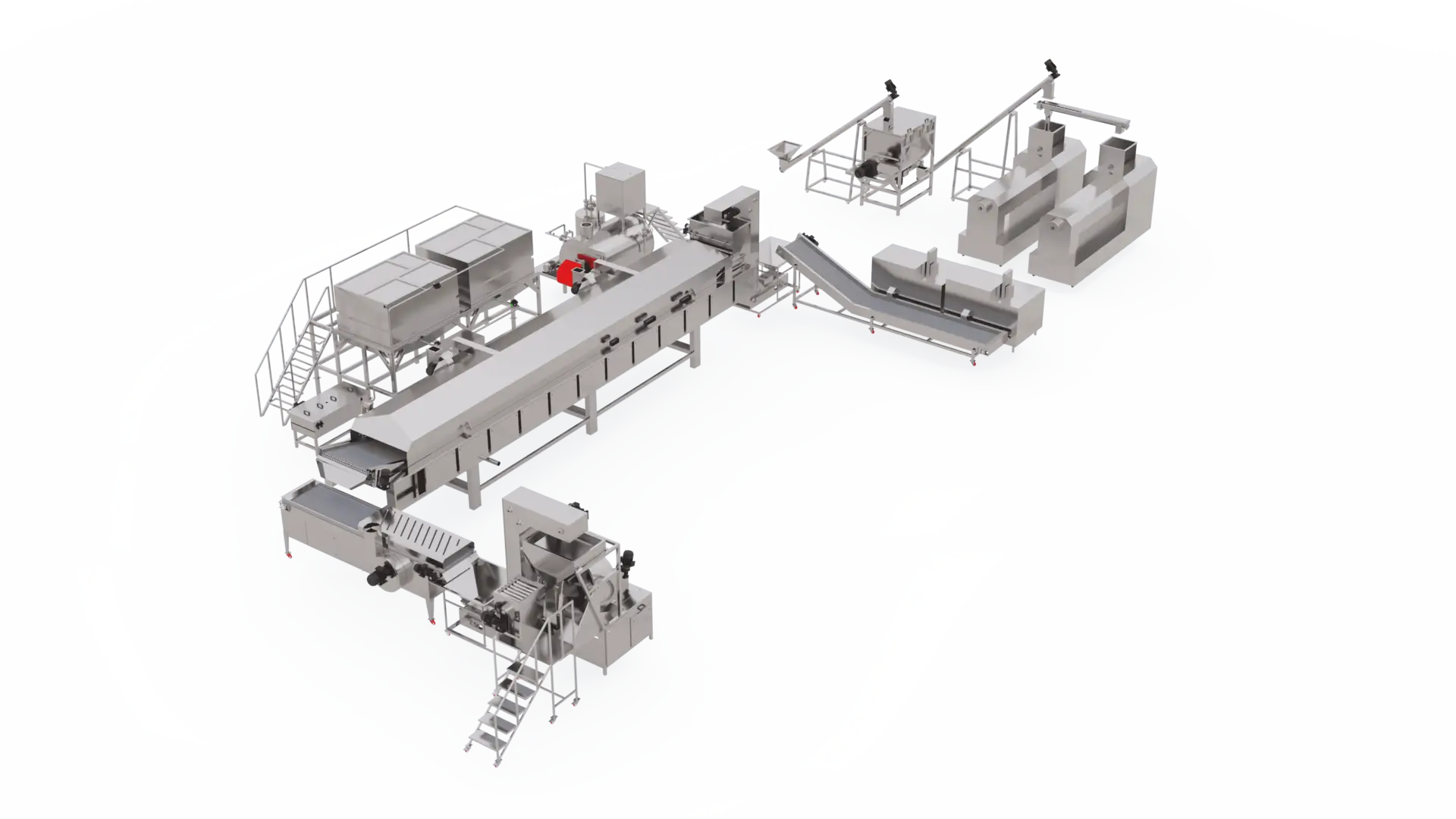
Özstar’s published chips production project illustrates the scope of a coordinated system, bringing together feeding, frying, cooling, and seasoning.
Choosing Appropriate Controls and Automation
The required level of automation should follow the way the customer intends to operate the equipment.
Some applications benefit from automated feeding and coordinated machine controls. Others require more direct operator involvement, particularly when production involves frequent adjustments or varied products.
Defining operator responsibilities early helps establish which functions need monitoring, which adjustments must remain accessible, and how the equipment should respond to production interruptions.
The objective is a control arrangement that supports clear, manageable operation.
Considering Cleaning, Maintenance, and Future Needs
Customisation should also account for the work performed around production.
Access for inspection, cleaning, and component replacement affects how practical a machine will be to use over time. Where a manufacturer processes several recipes or ingredients, changeover requirements should form part of the initial brief.
Future expansion is another useful consideration. Sharing anticipated product additions or capacity increases allows those needs to be assessed during planning, even when the first installation serves a smaller production target.
Customized machinery also supports long-term operational efficiency by addressing specific manufacturing challenges. Properly designed equipment can improve production organization, simplify processing stages, and support consistent product handling.
Özstar continues to combine technical knowledge with practical manufacturing experience in its machinery development activities. Through customer-focused engineering, the company aims to build reliable solutions and lasting business partnerships.
Discuss Your Project with Özstar Makina
A clear production brief is the starting point for suitable machinery. Share your product, capacity target, processing requirements, and facility layout with Özstar Makina to discuss how individual machines or a complete processing line can be customised for your operation.